
Future students
Picture yourself in the lab.
Meet the team, see our research environment, and find your next step.
Meet the team Explore opportunitiesDGIST · Energy Materials Design & Processing Lab
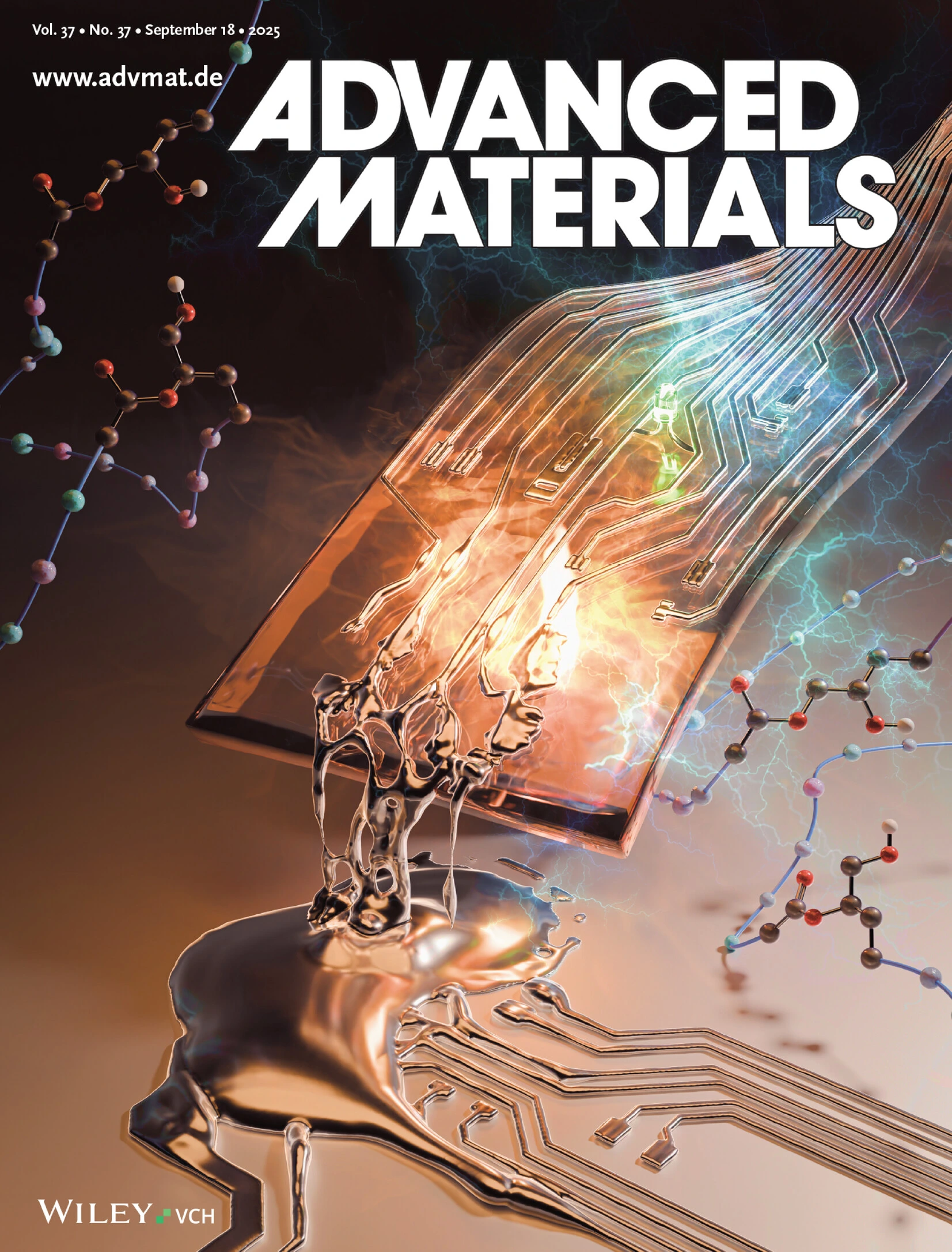
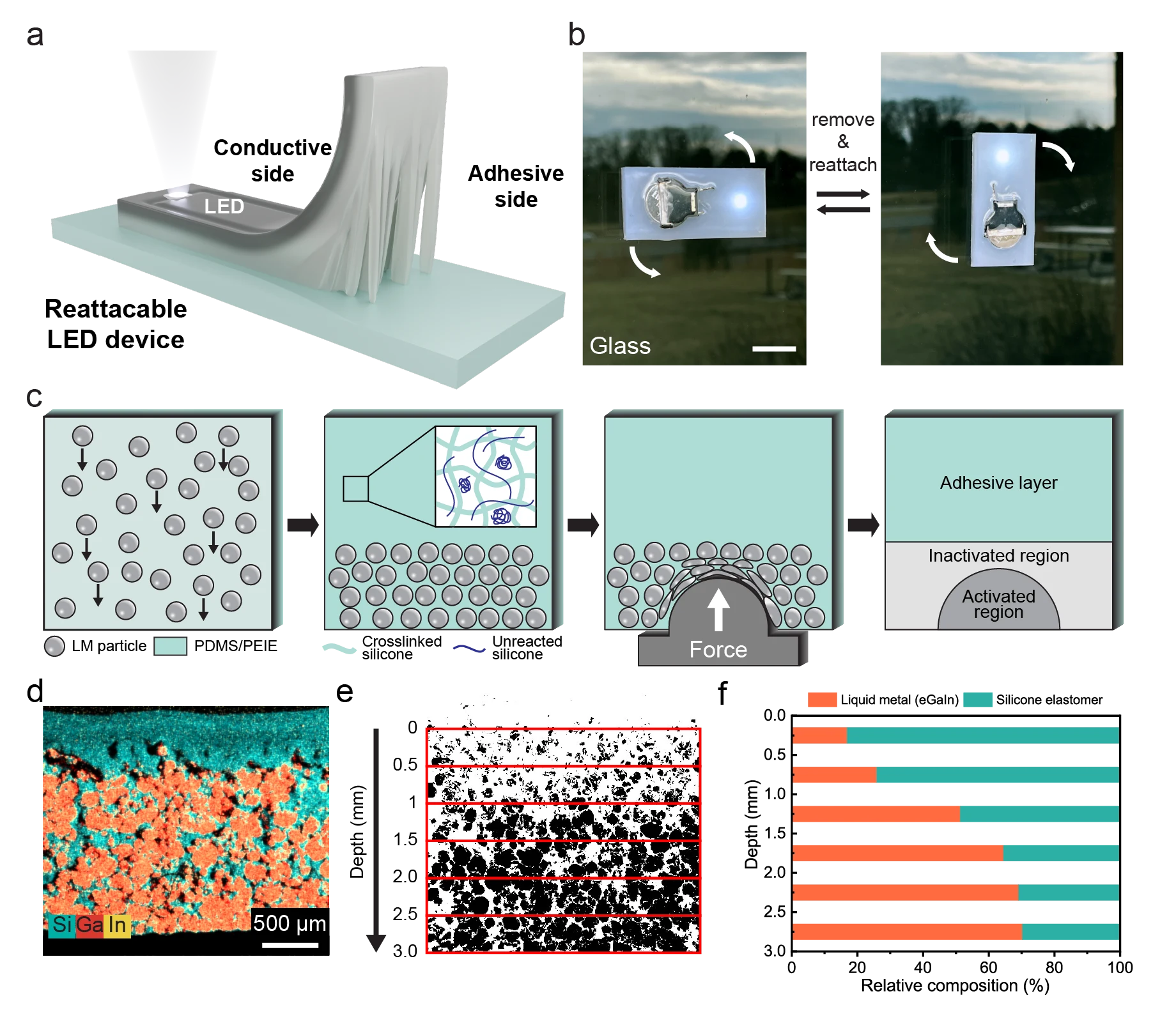
We explore liquid metals and soft materials for electronics, energy conversion, and thermal management at DGIST.

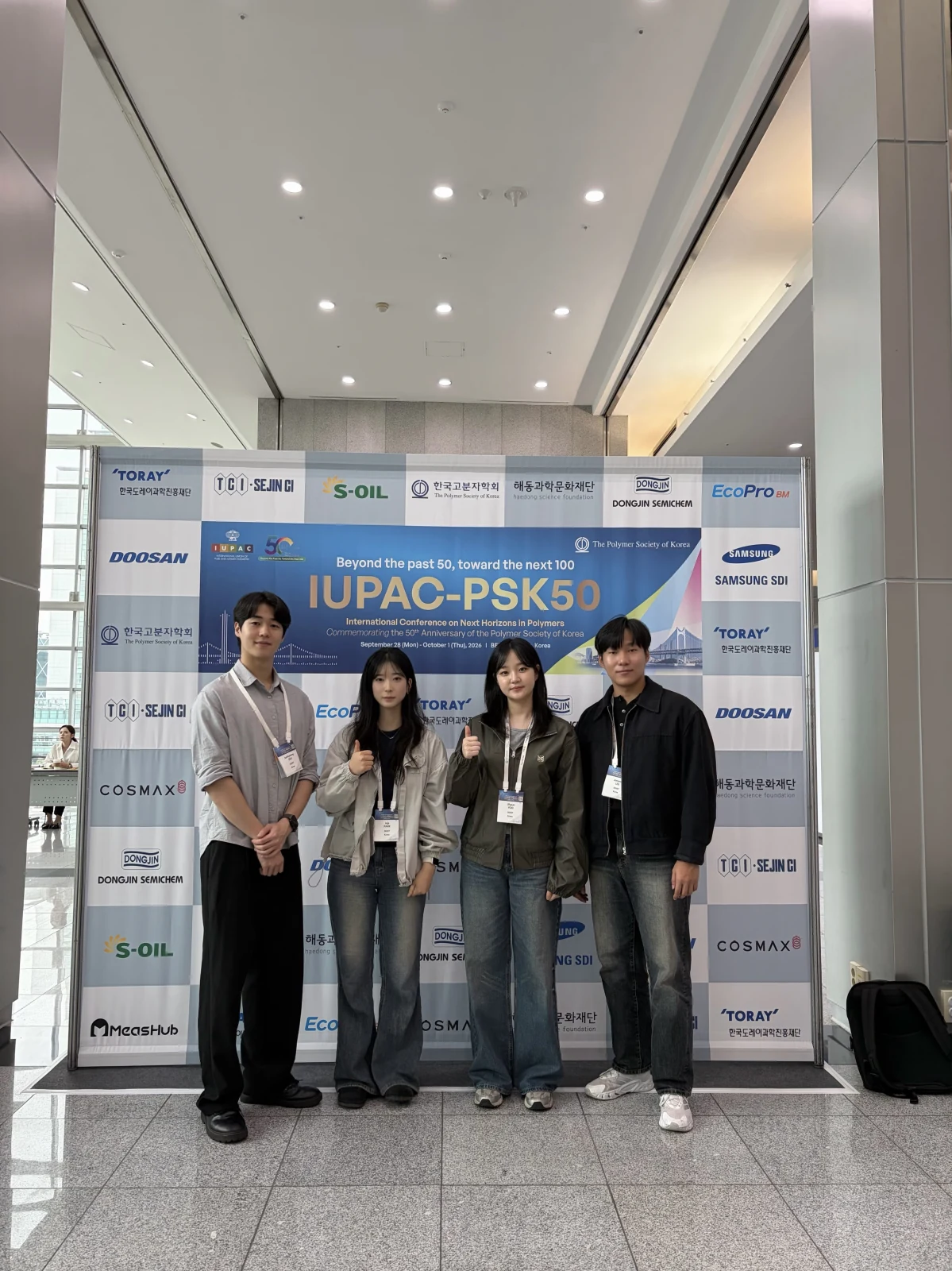 Latest news · September 28–October 1, 2026
EMDP Lab at IUPAC-PSK50
Attending together with our students in Busan
Latest news · September 28–October 1, 2026
EMDP Lab at IUPAC-PSK50
Attending together with our students in Busan
Start here
Future students
Meet the team, see our research environment, and find your next step.
Meet the team Explore opportunitiesResearch & collaboration
Explore our research themes, published results, and experimental capabilities.
Explore research Read our publicationsCurious about liquid metal?
How can a metal flow? Explore the basics, then compare materials in the interactive handbook.
Discover liquid metal Compare material propertiesGraduate researchers
Publication records
Listed instruments
Recruiting cycle
We connect materials synthesis, interface design, and processing with electrical, thermal, and mechanical testing. Explore the questions behind our work and the facilities we use to investigate them.
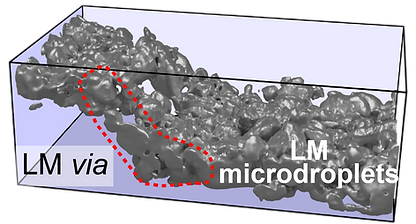
See research themesLiquid-metal pathways that connect through bending and stretching.
02 Self-healing energy devicesIonic thermoelectric systems with deformable, self-healing electrodes.
03 Thermal interfacesMaterials and interfaces designed to move heat between components.
04 Inside the labSee the instruments behind our fabrication and measurement work.
Interested in an internship or graduate research? Send a short introduction and your CV. You can explore possible research topics with us.
Contact
333, Techno jungang-daero, Daegu, Republic of Korea.
hodh123@dgist.ac.kr